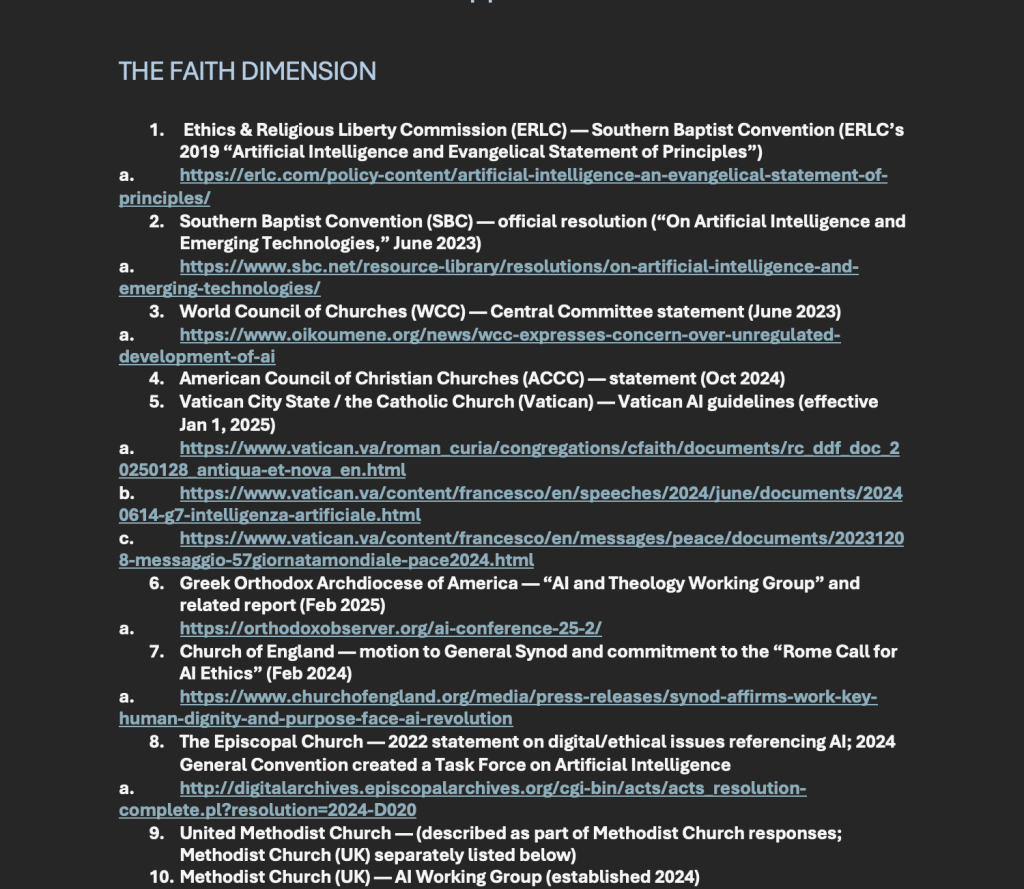

AI and faith meet at the point where technology forces humanity to reconsider dignity, purpose, and moral responsibility.
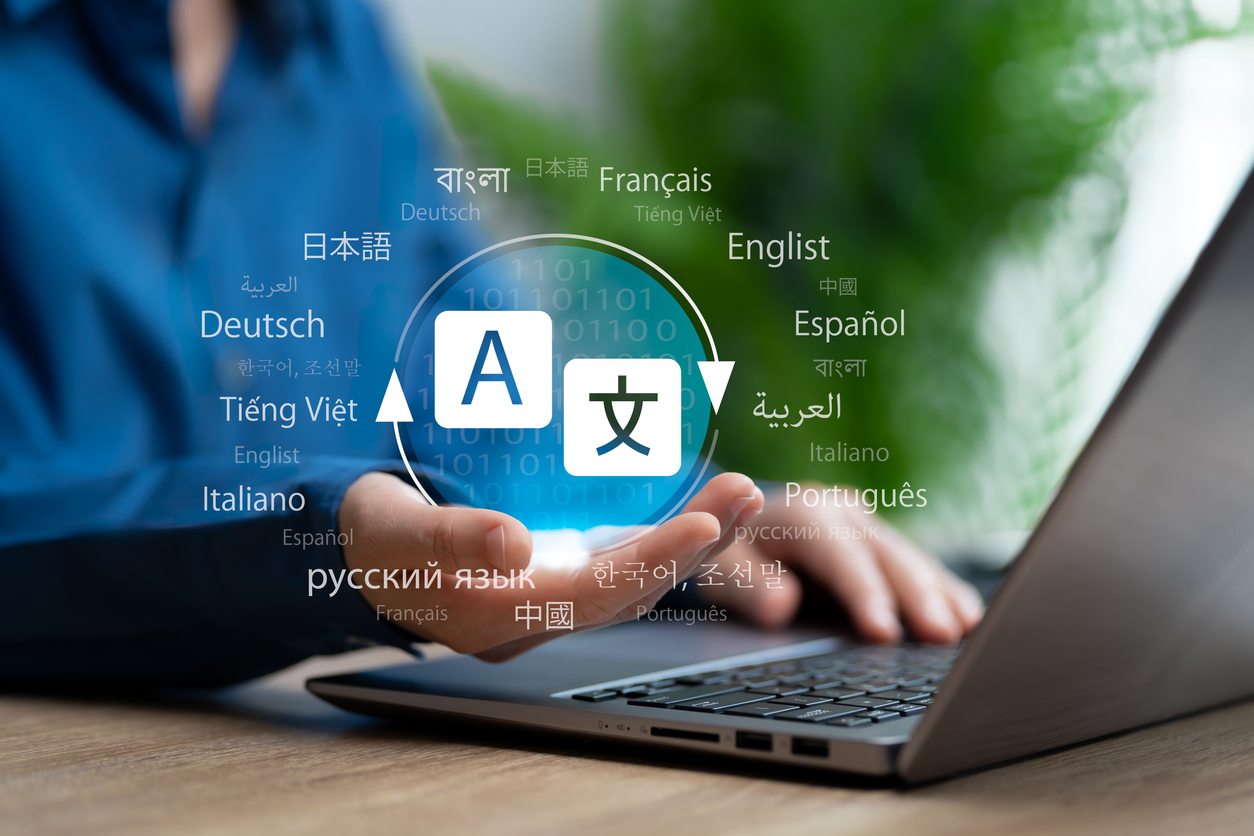
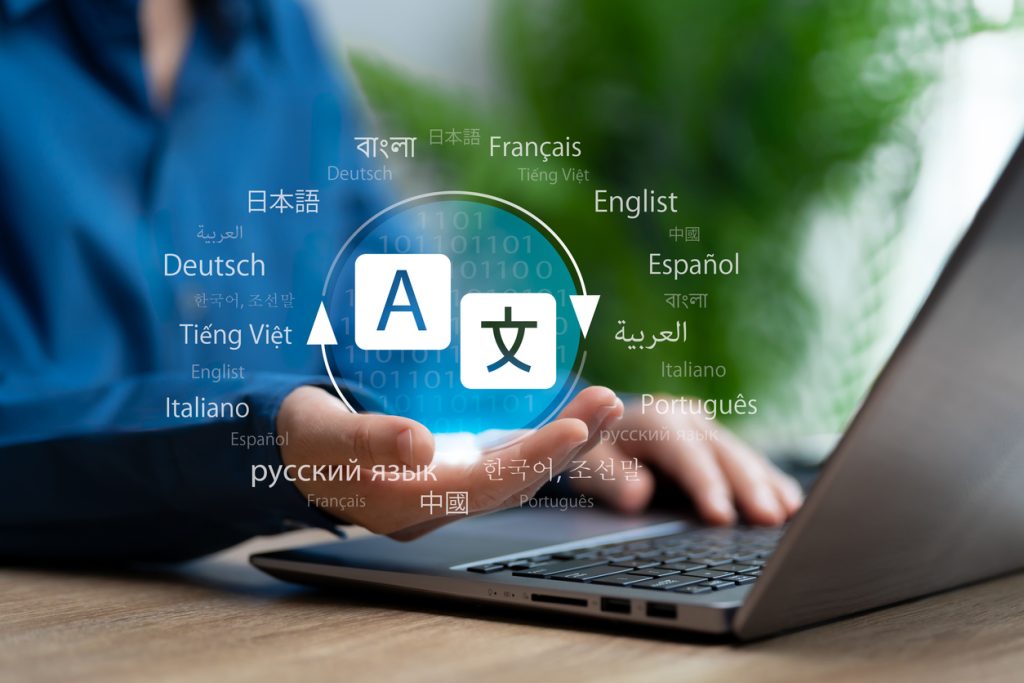
AI is transforming translation by making it faster, more accessible, and capable of handling dozens of languages that previously lacked digital tools.
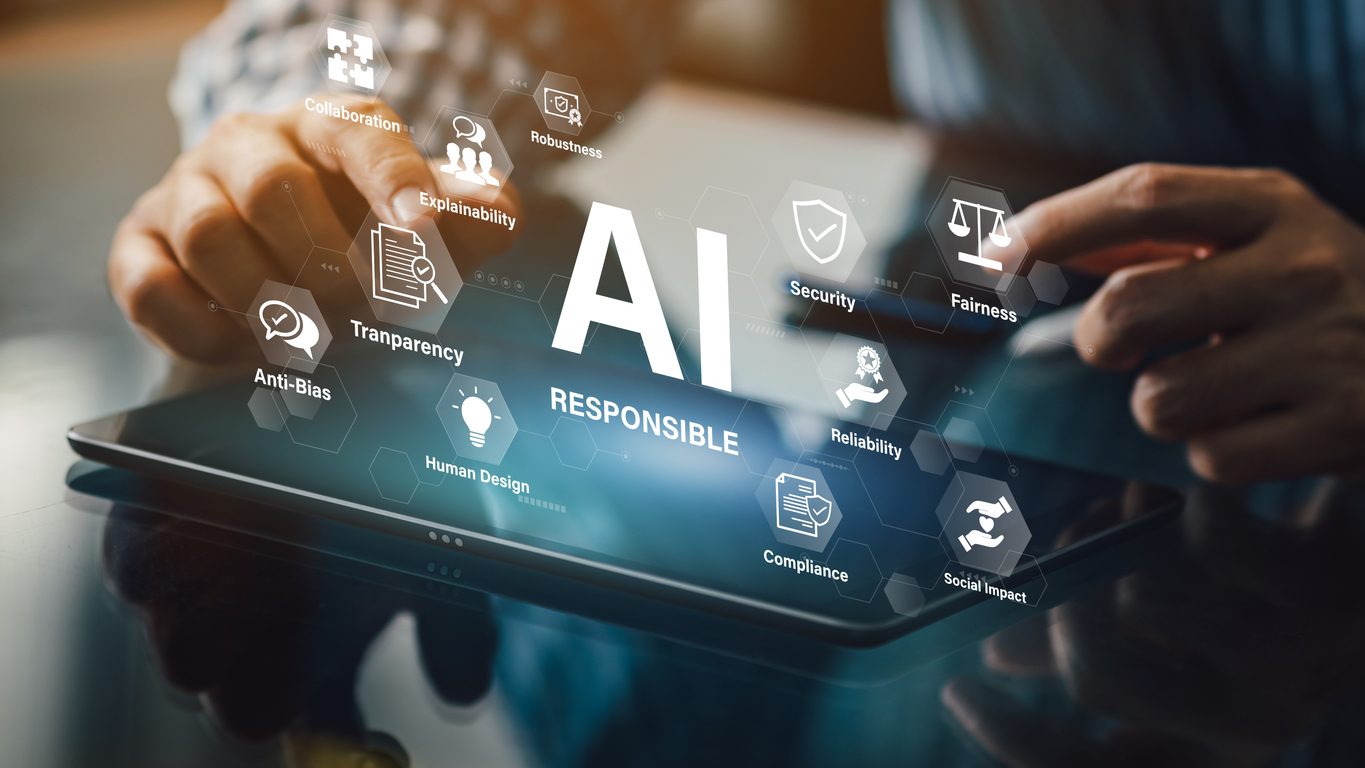
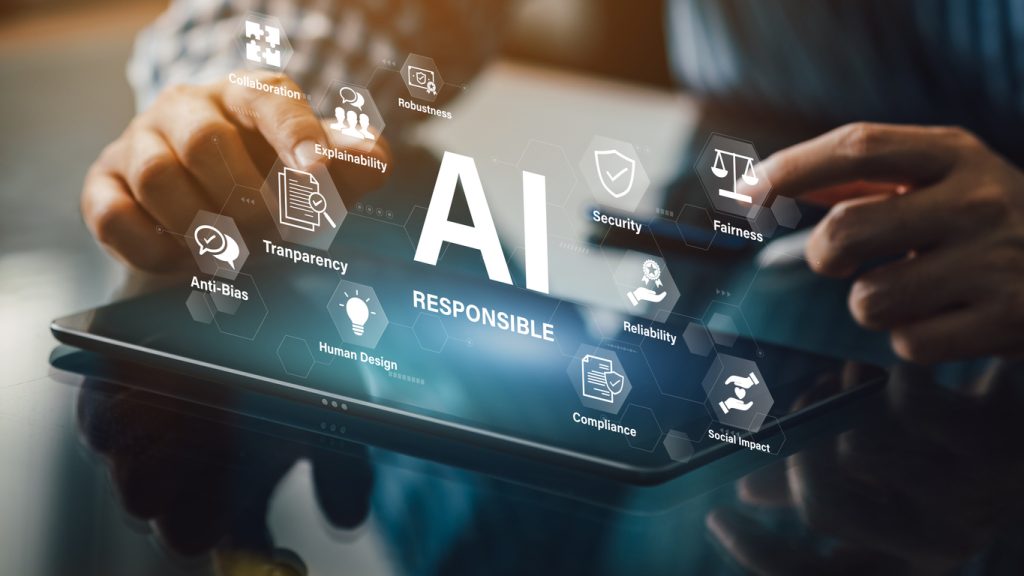
AI benchmarks are essential tools for evaluating whether artificial intelligence systems behave safely, fairly, and effectively in real-world contexts.
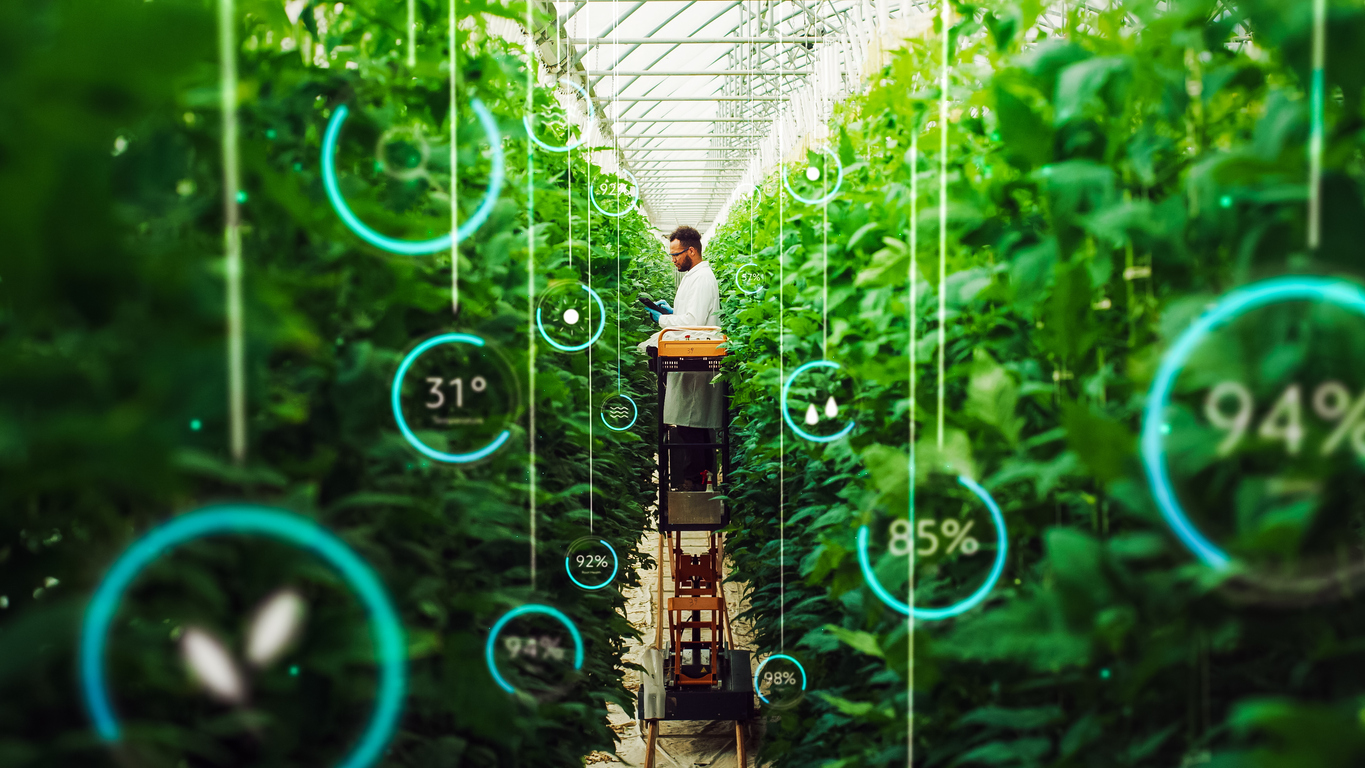
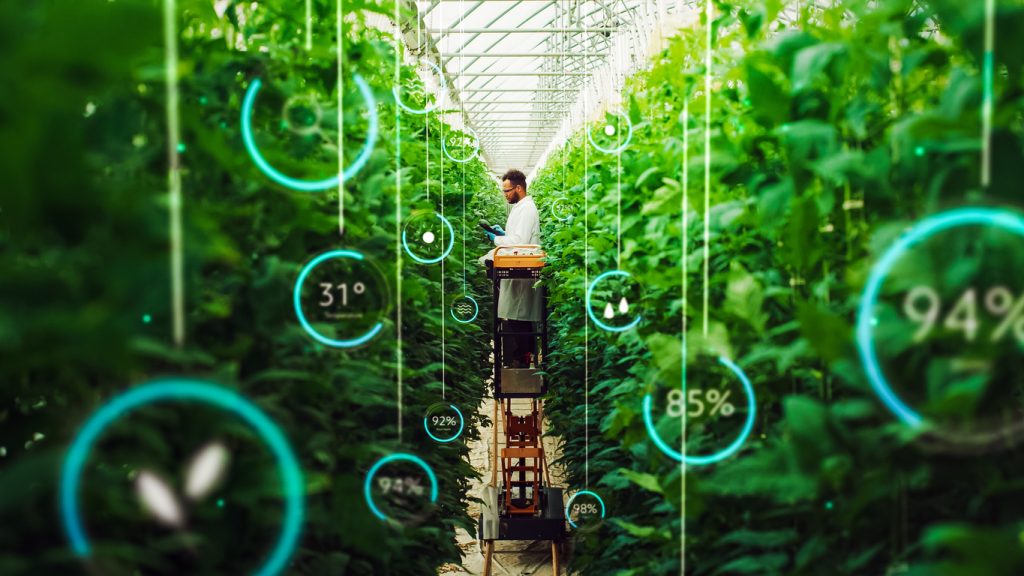
AI can help protect the planet by improving how we monitor ecosystems, predict climate patterns, and manage natural resources.
AI can strengthen peacebuilding by helping communities detect conflict early, bridge divides through dialogue, and support collaborative problem-solving rooted in human dignity.
AI can support human flourishing when it is designed to enhance, rather than replace, uniquely human capacities such as empathy, creativity, and moral judgment.
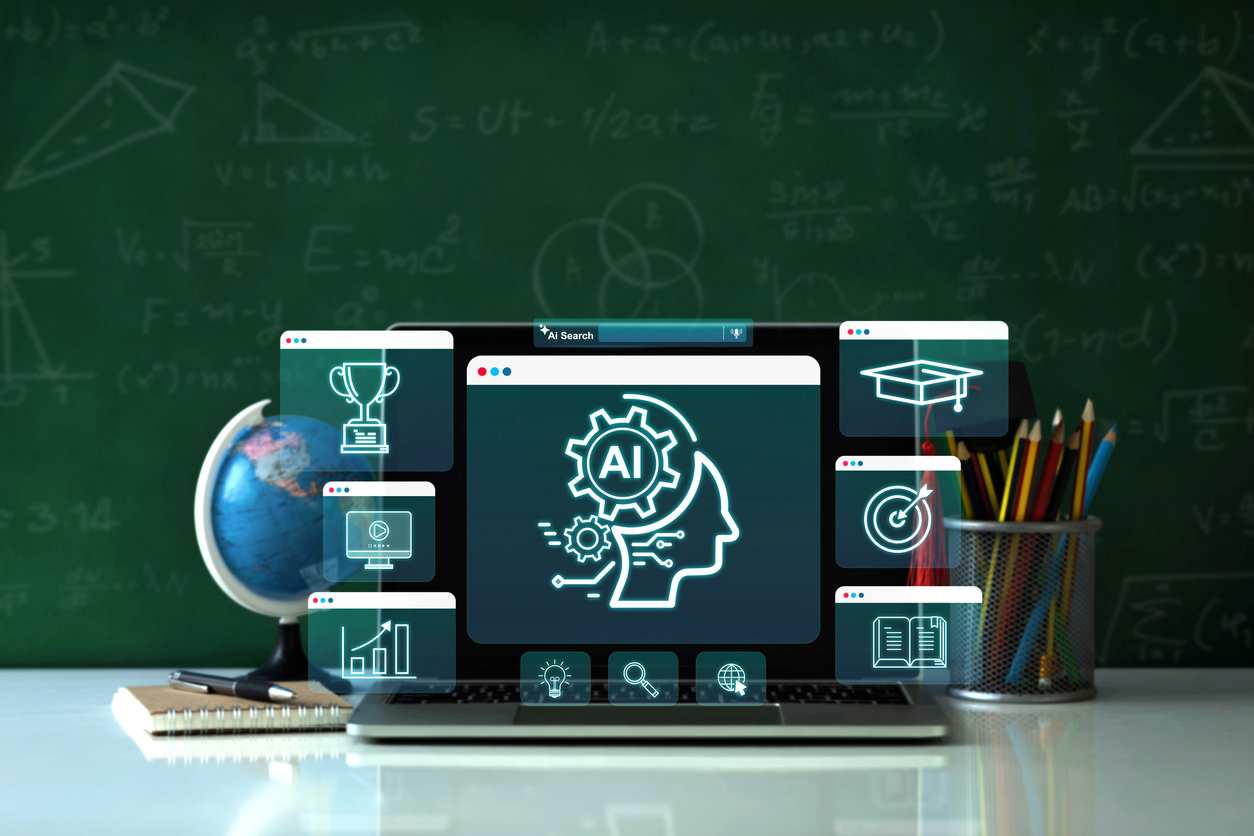
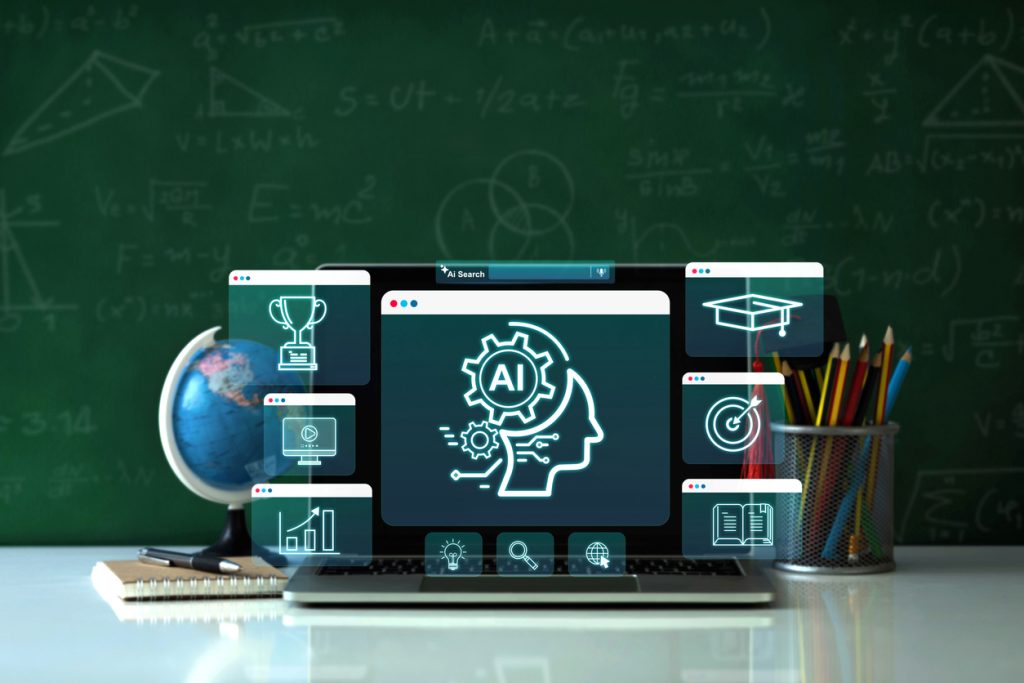
AI is reshaping education by expanding access to personalized learning tools that adapt to each student’s pace, strengths, and needs.
AI will shape the future by amplifying human capabilities and transforming how people learn, work, and solve problems together.
By Professor Robert Geraci, Manhattan College – – – The Narratives of Artificial Intelligence My … View Page >
By Alessio Pecorario, Vatican Dicastery for Promoting Integral Human Development – – – Technology has … View Page
By JoAnne Wadsworth – – – On Thursday, September 2, the G20 Interfaith Forum’s Technology … View Page